Understanding Risk Is the First Step to Safety
Mining is not a guessing game. Every task, every machine, and every environment comes with risks. The key is knowing how to identify those risks before they turn into real problems.
That is exactly what we focus on through MSHA Training in Pennsylvania at Industrial Consulting & Training LLC. We help workers understand what to look for, how to assess situations, and how to take action before things go sideways.
When workers can recognize danger early, they stay one step ahead. And that is where real safety begins.
What Risk Assessment Looks Like on the Job
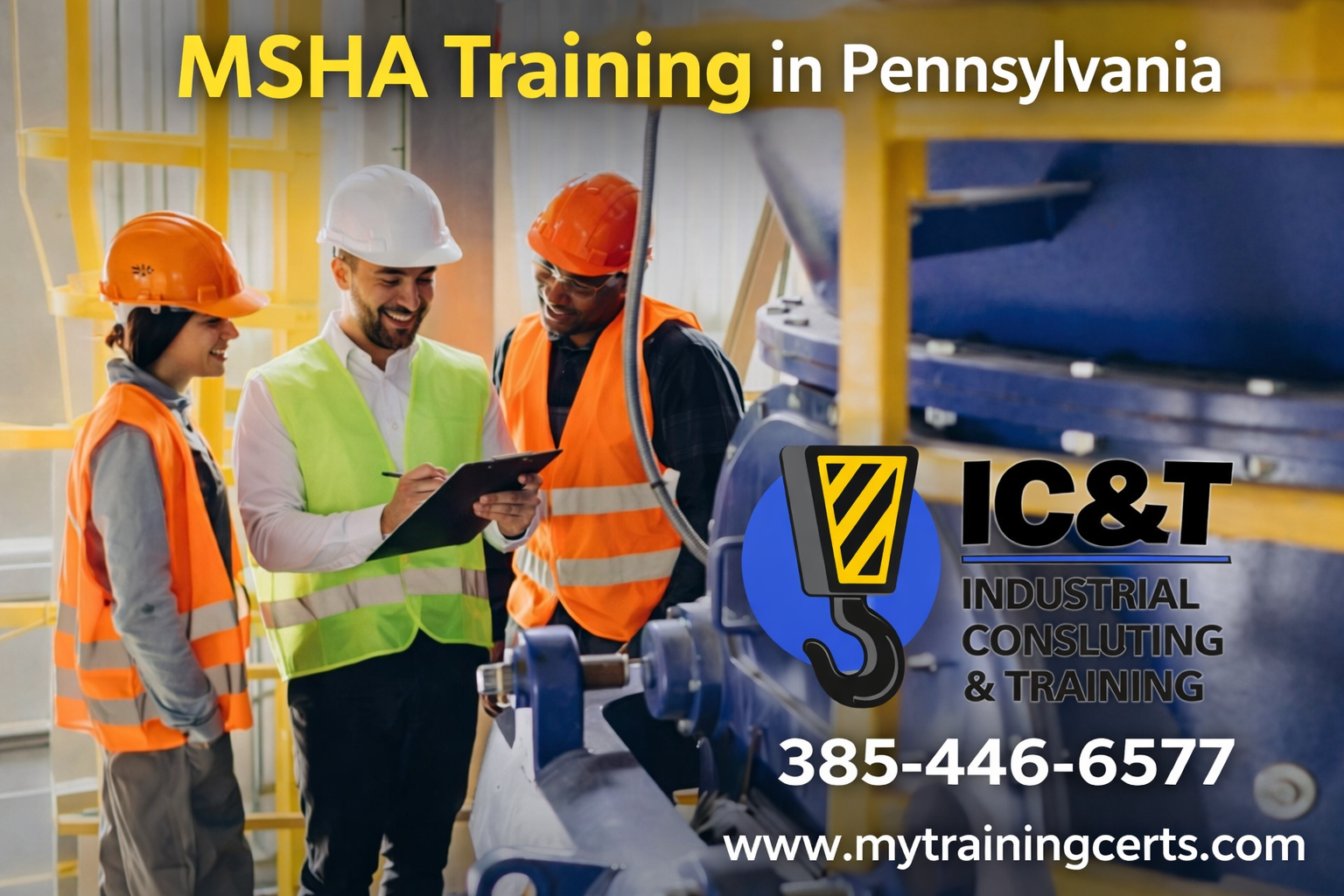
Risk assessment is not some complicated checklist that sits in a binder. It is something workers do every day, often without realizing it.
Before starting a task, they look at their surroundings. They check equipment. They think about what could go wrong. Then they decide how to handle it safely.
Our MSHA Training in Pennsylvania breaks this process down into simple, practical steps. We teach workers how to:
• Identify hazards in their work area
• Evaluate the level of risk involved
• Choose the safest way to complete a task
• Adjust plans when conditions change
It is all about building a habit of thinking ahead instead of reacting later.
Hazard Recognition Becomes Second Nature
Let’s be real. Hazards are everywhere on a mining site. Loose ground, moving equipment, electrical systems, and confined spaces all come with their own risks.
Without proper training, it is easy to overlook these dangers. Workers may get comfortable and stop paying attention. That is when accidents happen.
Through MSHA Training in Pennsylvania, we train workers to stay alert. We show them how to recognize warning signs and understand why those signs matter.
Over time, this awareness becomes second nature. Workers do not have to think twice. They spot hazards automatically and take action right away.
Preventing Problems Before They Escalate
Hazard prevention is all about stopping issues early. A small problem can turn into a big one if it is ignored.
For example, a minor equipment issue can lead to a major failure. A poorly secured load can shift and cause injuries. A communication breakdown can result in confusion during critical operations.
Our training focuses on these real-world situations. We teach workers how to step in early and fix problems before they grow.
With MSHA Training in Pennsylvania, crews learn that prevention is always better than reaction. It saves time, reduces stress, and most importantly, keeps everyone safe.
The Role of Communication in Risk Control
Good communication is a big part of risk assessment. Workers need to share information quickly and clearly. If something looks off, it needs to be reported right away.
We emphasize clear communication during training. Workers learn how to speak up, give proper signals, and coordinate with their team.
This becomes even more important during tasks like lifting or equipment operation. When everyone is on the same page, risks are easier to manage.
Strong communication turns individual awareness into team-wide safety.
Training That Connects to Real Job Conditions
One of the biggest challenges with training is making it stick. If workers cannot relate the material to their job, they are less likely to use it.
That is why we keep our sessions practical and relevant. Our MSHA Training in Pennsylvania uses real examples and scenarios that workers actually face.
We also offer online training options that make it easier for teams to access high-quality instruction without disrupting their schedules. These sessions are interactive and guided, so workers stay engaged and involved.
At the same time, we understand that some skills are best reinforced in person. That is why we support both online and in-person learning, giving companies the flexibility they need.
Building Confidence Through Knowledge
When workers understand risks, they feel more confident handling them. They do not panic when something unexpected happens. Instead, they rely on their training.
Confidence plays a huge role in hazard prevention. Workers who trust their skills are more likely to take the right steps at the right time.
Our MSHA Training in Pennsylvania focuses on building that confidence. We break down complex topics into clear, manageable steps so workers can apply them easily on the job.
This approach helps crews stay calm, focused, and in control.
Creating a Culture of Prevention
Risk assessment is not just an individual responsibility. It is a team effort. When everyone on site is trained properly, safety becomes part of the culture.
Workers start looking out for each other. They speak up when something does not seem right. They follow procedures because they understand their importance.
At Industrial Consulting & Training LLC, we help companies build that culture. Our training programs encourage accountability and teamwork, which are essential for long-term safety.
When prevention becomes a shared goal, job sites run more smoothly and efficiently.
Why Companies Trust Our Training Programs
We know companies have choices when it comes to training. What sets us apart is our focus on practical learning and real results.
Our MSHA Training in Pennsylvania is designed to go beyond basic compliance. We help workers develop the skills they need to assess risks and prevent hazards in real time.
Our training is structured, engaging, and easy to follow. Workers are not just listening. They are actively involved in the learning process.
That makes a big difference when it comes to retaining information and applying it on the job.
Final Thoughts
Risk assessment and hazard prevention are at the heart of mining safety. They are not one-time tasks. They are ongoing processes that require attention and practice.
With the right training, workers can identify risks early, take action quickly, and prevent accidents before they happen.
At Industrial Consulting & Training LLC, we are committed to helping crews build these skills. Our MSHA Training in Pennsylvania gives workers the knowledge and confidence they need to stay safe every day.
If you want to strengthen your safety program and reduce risks on site, it starts with proper training. Let’s work together to create a safer, more prepared workforce.