Rigging might look simple from the outside, but anyone who has worked around heavy loads knows it is anything but easy. One wrong move can damage equipment, delay operations, or even cause serious injuries. That is why proper rigging is not just a technical skill. It is a critical part of keeping job sites running smoothly.
When workers understand how to rig loads correctly, everything falls into place. Equipment lasts longer, projects stay on schedule, and teams avoid unnecessary headaches. Training programs like NCCER Rigger Training in Dallas help workers build these skills so they can handle lifting tasks with confidence and precision.
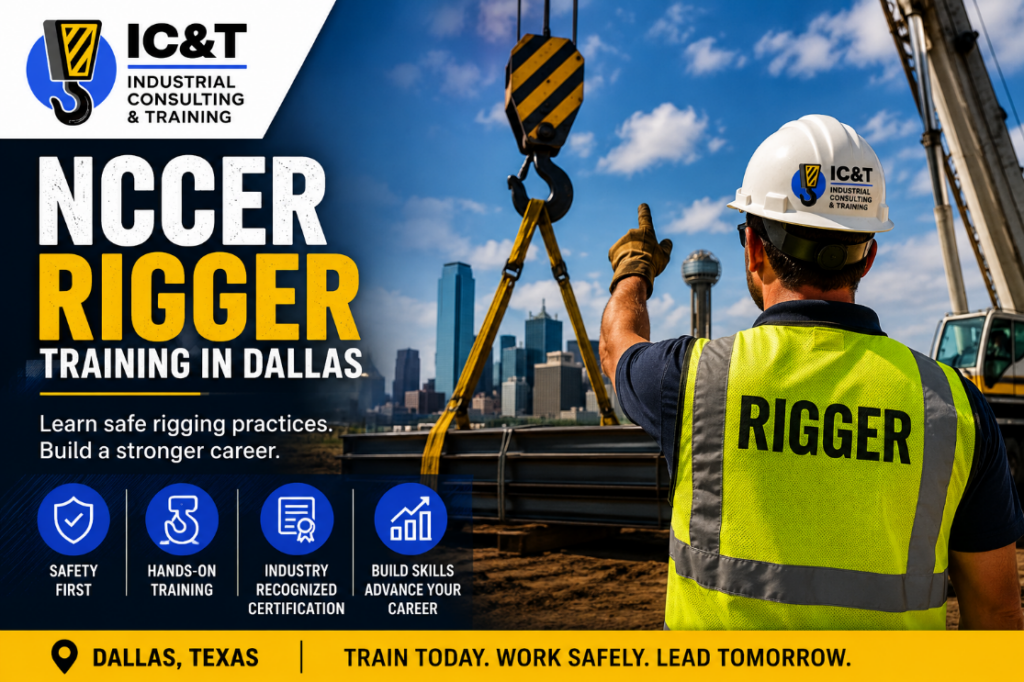
Understanding the Basics of Proper Rigging
At its core, rigging is about safely moving heavy loads from one place to another. This involves selecting the right equipment, securing the load properly, and guiding it during lifting and placement.
It sounds straightforward, but there are many factors involved. Load weight, balance, angles, and environmental conditions all play a role. Missing even one detail can lead to problems.
Proper training teaches workers how to evaluate these factors before making a move. With NCCER Rigger Training in Dallas, workers learn how to plan lifts carefully instead of relying on guesswork.
Preventing Equipment Damage Through Correct Techniques
Equipment damage often happens when loads are not secured properly. Slings can slip, hooks can shift, and loads can swing unexpectedly. When that happens, both the equipment and the materials being lifted are at risk.
Proper rigging techniques reduce these chances. Workers learn how to choose the right slings, inspect gear before use, and position loads for stability.
This attention to detail protects expensive machinery and tools. It also prevents costly repairs or replacements.
Programs like NCCER Rigger Training in Dallas focus on these practical skills. They help workers understand how small adjustments can make a big difference in protecting equipment.
Reducing Downtime on Job Sites
Downtime is one of the biggest challenges in construction and industrial work. When equipment is damaged or a lift goes wrong, everything comes to a halt.
Repairs take time. Investigations slow things down. Teams are left waiting instead of working.
Proper rigging helps avoid these situations. When lifts are planned and executed correctly, operations continue without interruptions.
With NCCER Rigger Training in Dallas, workers learn how to perform lifts efficiently and safely. This reduces delays and keeps projects moving forward.
Improving Load Control and Stability
One of the main goals of rigging is to keep the load stable during lifting. An unstable load can swing, tilt, or even fall, which creates serious risks.
Proper rigging ensures that loads are balanced and secured. Workers learn how to calculate load weight and center of gravity. They also learn how to use taglines and other tools to control movement.
This level of control protects both the load and the equipment being used.
Training programs such as NCCER Rigger Training in Dallas emphasize these techniques. They prepare workers to handle real-world lifting scenarios with confidence.
Enhancing Worker Awareness and Decision-Making
Rigging is not just about physical skills. It also requires strong awareness and quick decision-making.
Workers need to assess conditions before each lift. They must consider weather, ground stability, and nearby obstacles.
Training helps develop this mindset. Workers learn to think ahead and spot potential issues before they become problems.
With NCCER Rigger Training in Dallas, this awareness becomes second nature. Workers approach each task with a clear plan and a focus on safety.
Supporting Better Communication on Site
Good communication is essential during lifting operations. Everyone involved needs to understand signals, roles, and responsibilities.
Miscommunication can lead to mistakes, which can damage equipment or cause delays.
Proper training reinforces clear communication practices. Workers learn standard hand signals and coordination techniques.
Programs like NCCER Rigger Training in Dallas help teams stay on the same page. This improves efficiency and reduces the risk of errors during lifts.
Extending the Life of Rigging Equipment
Rigging gear is built to handle heavy loads, but it still requires proper care. Misuse can wear it out quickly or cause it to fail.
Training teaches workers how to inspect equipment and use it correctly. They learn to spot signs of damage and remove faulty gear from service.
This extends the lifespan of rigging equipment and reduces replacement costs.
With NCCER Rigger Training in Dallas, workers gain the knowledge needed to maintain their tools and keep them in good condition.
Making Training More Accessible With Online Options
Finding time for training can be a challenge, especially on busy job sites. Workers often have tight schedules and limited availability.
Online training offers a practical solution. It allows workers to attend structured sessions without long travel times.
This flexibility makes it easier to stay updated and build new skills.
At the same time, the training remains focused and organized. Workers can follow along, ask questions, and stay engaged throughout the session.
With NCCER Rigger Training in Dallas, online options make it easier for workers to improve their skills without disrupting their work routines.
Reducing Risk and Increasing Productivity
Proper rigging does more than prevent damage. It also improves overall productivity.
When workers know what they are doing, tasks are completed faster and with fewer mistakes. Equipment runs smoothly, and projects stay on track.
This creates a more efficient work environment where everyone benefits.
Programs like NCCER Rigger Training in Dallas help workers reach this level of performance. They combine safety with efficiency, which is exactly what job sites need.
Final Thoughts
Proper rigging plays a huge role in protecting equipment and reducing downtime. It ensures that lifting operations are carried out safely, efficiently, and without unnecessary risks.
Training is the key to making this happen. Workers who understand rigging principles can handle complex tasks with confidence and care.
NCCER Rigger Training in Dallas provides the skills needed to get the job done right. It helps workers avoid costly mistakes, keep equipment in good condition, and maintain steady progress on site.
FAQs
Q. How does proper rigging reduce equipment damage?
Ans: Proper rigging ensures that loads are balanced, secured, and lifted using the right techniques. This reduces stress on cranes, slings, and other equipment, preventing wear and tear, sudden failures, and costly repairs.
Q. Can poor rigging really cause project delays?
Ans: Yes, improper rigging can lead to dropped loads, damaged materials, or equipment breakdowns. These issues often result in unexpected downtime, safety investigations, and delays that impact overall project timelines.
Q. Who should take NCCER Rigger Training in Dallas?
Ans: This training is ideal for riggers, crane operators, construction workers, and supervisors involved in lifting operations. It helps both new and experienced workers improve safety and efficiency on the job.
Q. What are the benefits of taking NCCER Rigger Training in Dallas?
Ans: The training helps workers understand load calculations, equipment selection, and safe lifting practices. As a result, teams can reduce accidents, minimize equipment damage, and keep projects running without unnecessary interruptions.
Looking to reduce equipment damage and avoid costly delays?
Industrial Consulting & Training LLC offers flexible online and in-person NCCER Rigger Training in Dallas designed for real job site demands. Schedule your training today.