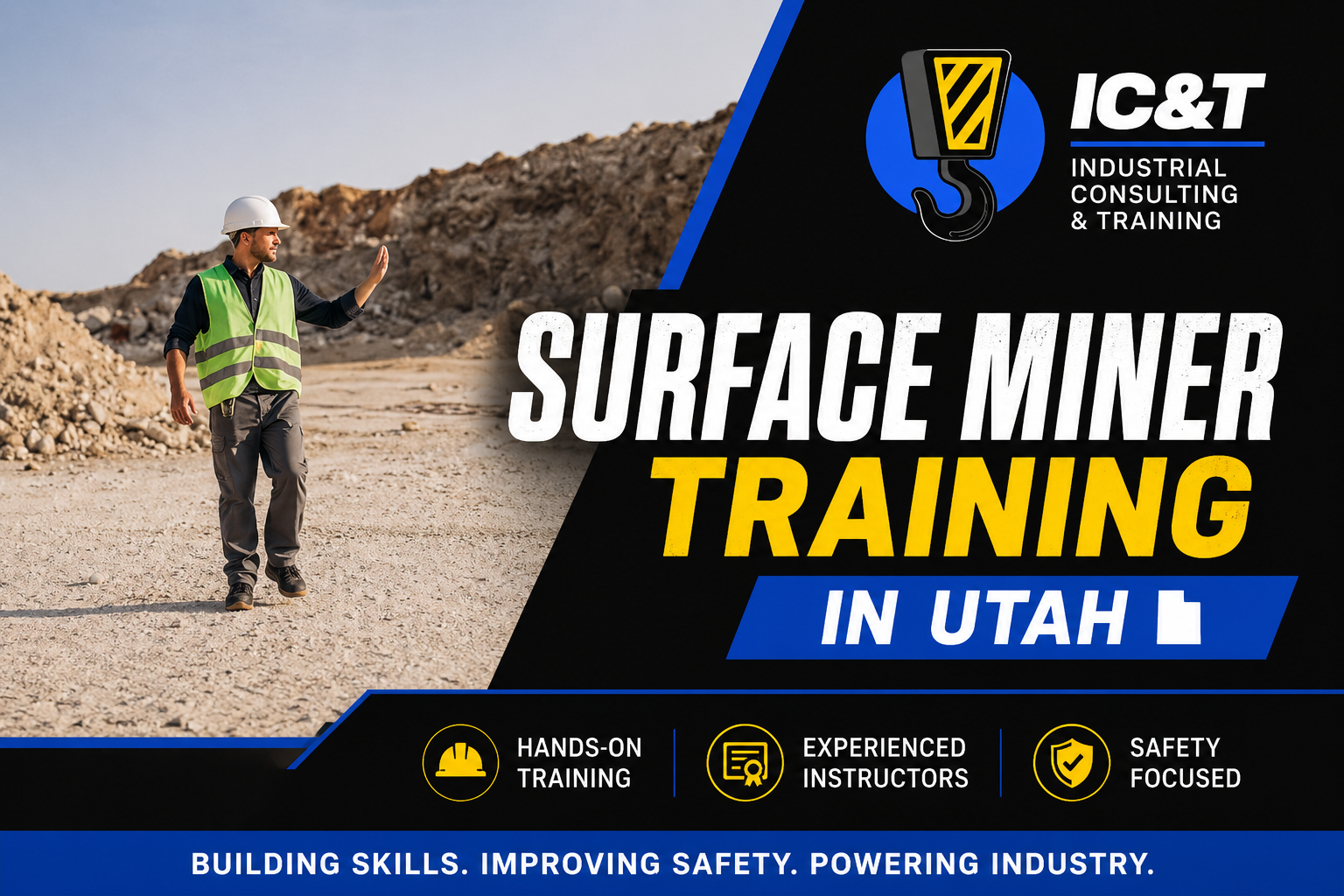
Starting a new job at a mine or surface operation comes with important safety responsibilities. Training is one of the first steps workers need to complete before taking on certain duties. For workers covered by Part 46, proper training helps them understand the hazards they may face and the safe work practices expected on site.
This is especially important for people entering surface mining roles. Surface miner training in Utah can help workers build the knowledge they need before stepping into an active work area. Skipping required training can create problems for the worker, the employer, and the entire operation.
Why Part 46 Training Matters
MSHA Part 46 applies to miners and certain other workers at nonmetal mines, including many operations involving sand, gravel, surface stone, and other materials.
The training covers important topics such as workplace hazards, health and safety procedures, equipment use, and site-specific risks. New miners need to understand these subjects before performing work that requires training.
Training is not simply a paperwork requirement. It gives workers a chance to learn what can go wrong and how to respond before they face those situations on the job.
Can You Start Work Without Required Training?
Workers should not assume they can simply begin their normal duties and complete training later. MSHA rules establish training requirements that employers must follow before miners perform certain work.
Allowing an untrained worker to perform tasks can create compliance concerns for the operation. More importantly, the worker may enter an environment without knowing the hazards or procedures that apply to the job.
For this reason, employers need to confirm that required training has been completed and properly documented.
What Risks Can Untrained Workers Face?
Mining and surface operations can involve heavy equipment, moving vehicles, elevated areas, material handling, electrical hazards, and changing site conditions. A worker who has not received the right training may not recognize these risks.
For example, someone unfamiliar with traffic patterns may not understand how to stay clear of mobile equipment. Another worker may not know the proper response to an emergency or equipment malfunction.
That lack of knowledge can increase the chance of mistakes. Even a simple mistake can have serious consequences on a busy work site.
How Training Supports Safer Decisions
Good safety training helps workers slow down and think before acting. They learn how to recognize hazards, follow procedures, and communicate concerns.
For workers completing surface miner training in Utah, this knowledge can be especially useful because surface operations can involve large equipment and constantly changing work areas.
Training also helps workers understand that safety is a shared responsibility. A worker who notices an unsafe condition should know how to report it and what steps to take.
What Problems Can Employers Face?
Employers have a responsibility to make sure workers receive required MSHA training. Failure to meet training requirements can create compliance issues during inspections.
There can also be operational consequences. An untrained employee may need to be removed from certain duties until the required training is completed. This can affect schedules and workforce planning.
More importantly, weak training practices can contribute to unsafe conditions. A strong training process helps employers avoid these issues while building better safety habits across the workforce.
Why Training Records Are Important
Completing training is only part of the process. Proper records are also important. Employers need to maintain documentation showing that required training was provided. These records help demonstrate compliance and make it easier to track training status.
Workers should also understand what training they have completed and whether additional instruction is required. Keeping this information organized can prevent confusion when employees move between jobs or work sites.
How Online Training Can Help Workers Prepare
Travel and work schedules can make traditional classroom training difficult for some workers. Online instruction can provide another way to access structured training without requiring unnecessary travel.
At Industrial Consulting & Training LLC, we provide training options that can help workers meet their learning needs while balancing work responsibilities. Online classes allow participants to join scheduled instruction from an appropriate location.
The goal is not simply to complete a course. It is to help workers understand the information and apply it to real workplace situations.
Why Utah Workers Should Take Training Seriously
Utah has a range of mining and aggregate operations where workers may encounter heavy equipment, material handling activities, and other workplace hazards. Proper preparation matters before entering these environments.
Completing required surface miner training in Utah gives workers a stronger foundation for understanding site risks and following safe practices.
It can also help employers build a workforce that is prepared for daily responsibilities from the start.
Get Properly Prepared Before Starting Work
Required training should be treated as a basic part of job readiness, not an item to put off until later. Industrial Consulting & Training LLC offers training options designed to help workers understand MSHA requirements and workplace safety practices.
Workers and employers can explore the available training options and choose a format that fits their needs.
FAQs
Q. Who needs MSHA Part 46 training?
Ans: Part 46 generally applies to miners and certain other workers at nonmetal mines and similar surface operations covered by the regulation. Specific requirements depend on the worker’s duties and site.
Q. What does Part 46 new miner training cover?
Ans: Training can cover workplace hazards, health and safety procedures, emergency response, equipment-related risks, and other subjects required under the applicable MSHA training plan.
Q. Can training be completed online?
Ans: Some MSHA training may be offered through scheduled online instruction. Workers should confirm that the specific course meets the applicable MSHA requirements before beginning covered work.
Q. Why is site-specific training important?
Ans: Site-specific instruction helps workers understand hazards, procedures, equipment, and conditions unique to their workplace. This knowledge can make it easier to respond safely to actual job site risks.
Q. What happens if required training is not completed?
Ans: A worker may not be permitted to perform certain covered duties until the required training is completed. Employers may also face compliance concerns if training requirements are not properly followed.
Build a Stronger Safety Foundation
A trained workforce is better prepared to recognize hazards, follow procedures, and respond to changing conditions. Industrial Consulting & Training LLC provides safety training for workers and organizations seeking structured instruction.
Completing the right training before performing covered work can support both compliance and safer daily operations.