Why Is Spanish-Language Training Important for Workers at Surface Areas of Underground Mines?
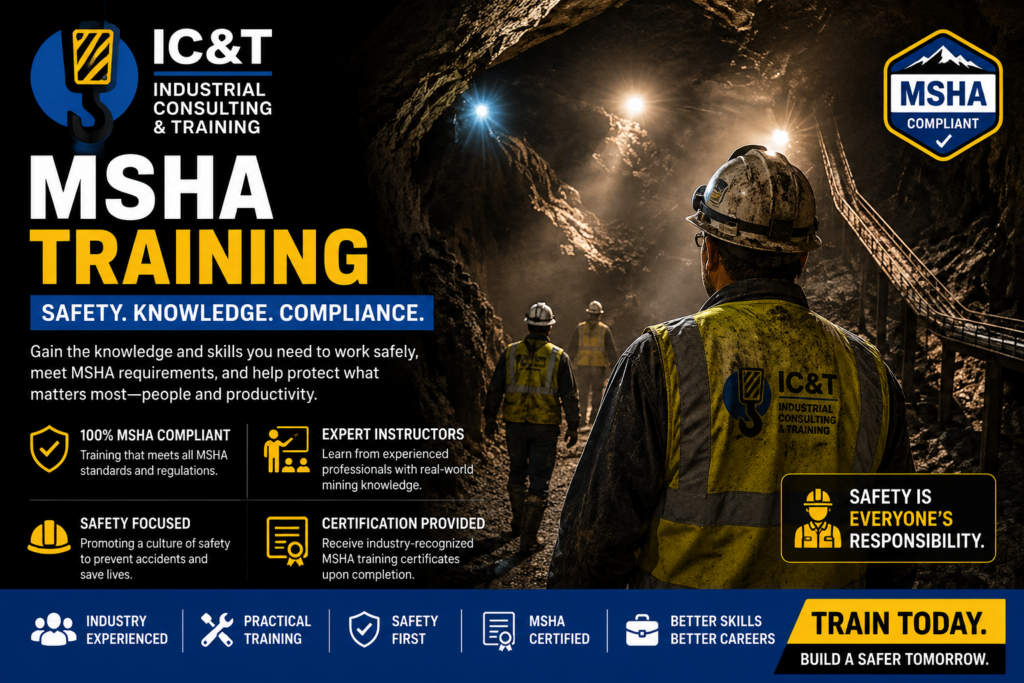
Safety at a mine does not stop at the underground entrance. Surface areas also involve equipment, vehicles, materials, maintenance work, and other activities that can create hazards. Workers in these areas need clear instructions and a strong understanding of safety procedures. For Spanish-speaking workers, language can sometimes create an extra challenge. Important safety information can […]
How Can Spanish MSHA Training Help Close Communication Gaps Between Underground and Surface Crews?
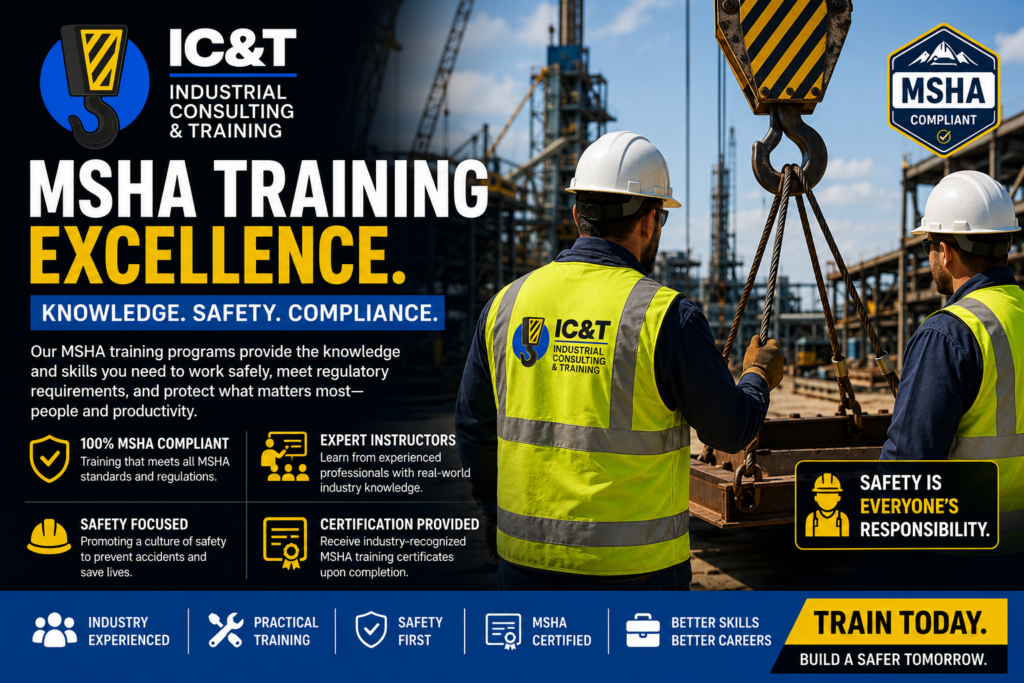
Mining crews need to stay connected, even when they work in different areas. Underground workers may deal with one set of conditions, while surface crews handle different tasks. Still, their work can overlap. Clear communication helps everyone understand what is happening around the mine. However, language differences can sometimes make this harder. A worker may […]
How Can Spanish Coal Miner Training Help Reduce Misunderstandings on the Job Site?
Clear communication is a key part of mining safety. Workers need to understand instructions, warning signs, equipment procedures, and emergency plans. A language gap can make these tasks harder and may lead to confusion. Spanish-language safety training gives Spanish-speaking workers a better way to understand important job requirements. With clear instruction, workers can learn safety […]
What Happens If You Don’t Complete MSHA Part 46 Training Before Working?
Starting a new job at a mine or surface operation comes with important safety responsibilities. Training is one of the first steps workers need to complete before taking on certain duties. For workers covered by Part 46, proper training helps them understand the hazards they may face and the safe work practices expected on site. […]
How Does NCCER Rigger Training Impact Career Advancement?
A career in rigging requires more than knowing how to move a load from one place to another. Workers need to understand equipment, load limits, inspection steps, communication, and safe lifting practices. These skills can make a real difference when employers are choosing people for important jobs. That is why NCCER Rigger Training in Los […]
What Does MSHA New Miner Training Include for Spanish Workers?
Starting a mining job is a big step. It comes with new responsibilities and real risks. For Spanish-speaking workers, proper training is not just helpful; it is essential. A clear understanding can be the difference between a safe shift and a dangerous one. That is why miner training designed for Spanish speakers plays such a […]
How Does Spanish MSHA Training Reduce Miscommunication in High-Risk Environments?
Clear communication can make or break safety on a job site. In mining and industrial settings, even a small misunderstanding can lead to serious consequences. Workers need to understand instructions quickly and correctly, especially when dealing with heavy equipment and hazardous conditions. That is where Entrenamiento para mineros plays a key role. When training is […]
How Can Certified Riggers Reduce Workplace Accidents and Costs?
Worksites that deal with heavy lifting face real risks every day. Loads can shift. Equipment can fail. And small mistakes can turn into big problems fast. That is why trained riggers play such an important role in keeping operations safe and efficient. When workers complete a proper rigging course in Montana, they gain the skills […]
What Is MSHA Silica Sampling in Idaho and Why Does It Matter?
Understanding Silica Dust in Mining Silica dust shows up more often than many expect. It forms when materials like stone, sand, and gravel are cut, drilled, or crushed. These tasks release fine particles into the air. Workers may not always see them, but they are there. Over time, repeated exposure can create risks if proper […]
How Does Proper Rigging Reduce Equipment Damage and Downtime?
Rigging might look simple from the outside, but anyone who has worked around heavy loads knows it is anything but easy. One wrong move can damage equipment, delay operations, or even cause serious injuries. That is why proper rigging is not just a technical skill. It is a critical part of keeping job sites running […]